
The Allure of Gambling: Myth or Reality?
Casino gambling has long captivated the imaginations of individuals, promising excitement, wealth, and the thrill of risk. Many myths surrounding gambling perpetuate notions that luck alone dictates outcomes. However, the reality is far more complex, as each game relies on mathematical probabilities and house edges. Players who delve deeper into this world often find that exploring options like 1win can enhance their understanding, revealing that while fortune can play a role, strategy and knowledge are often the keys to success.
Additionally, the perception that gambling is a foolproof way to achieve financial freedom endangers many players. The truth is that most casino games are designed to favor the house, meaning that the longer a player participates, the more likely they are to lose their initial stake. Gamblers often enter with dreams of hitting the jackpot but must confront the sobering reality that sustainability in gambling requires discipline and a well-informed approach to bankroll management.
Furthermore, the portrayal of casinos in popular media often glamorizes high-stakes gambling, enticing viewers with images of extravagant wins and luxurious lifestyles. In reality, the overwhelming majority of players experience losses more than victories. Recognizing this discrepancy is crucial for new players to set realistic expectations and engage in responsible gambling practices, ensuring that they do not fall victim to misguided beliefs fueled by sensational portrayals.
The Impact of Gambling Addiction
Another significant myth is the belief that gambling addiction only affects a small number of individuals and can easily be controlled. In truth, gambling addiction is a serious issue that can have devastating effects on a person’s life and their loved ones. The impulsive nature of gambling can lead to significant financial debt, broken relationships, and emotional distress, which can spiral out of control without proper intervention and support.
Moreover, the reality of gambling addiction is often normalized within some social circles, where excessive betting can be dismissed as merely a form of entertainment. This casual acceptance can make it difficult for individuals struggling with gambling issues to seek help. Organizations and support groups are invaluable resources, yet stigma still surrounds the topic, discouraging many from opening up about their addiction and pursuing recovery.
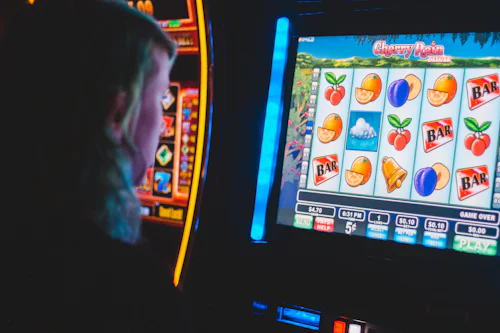
Statistics indicate that a substantial percentage of gamblers develop some level of problem gambling, making it essential to foster open conversations about the risks associated with casino activities. Awareness campaigns that educate players about the signs of gambling addiction and promote healthy gaming habits are vital for minimizing harm. As more information becomes available, it becomes increasingly important to give individuals the tools they need to recognize unhealthy patterns and seek assistance when necessary.
The Illusion of Winning Strategies
Many gamblers are enticed by the notion of winning strategies that promise to tilt the odds in their favor. However, the reality is that games like slots, roulette, and blackjack are heavily regulated and based on chance, with no guaranteed method to achieve consistent success. Players may spend countless hours researching systems and strategies, often investing money in books or software that claim to provide an edge, but the truth is that these claims are mostly unfounded.
While certain games may have strategic components—such as blackjack where players can employ basic strategy—the variability inherent in games of chance means that even the most well-researched strategies cannot guarantee wins. It’s vital for players to approach gambling with a clear understanding of its unpredictability and to recognize that every spin, roll, or deal is independent of previous outcomes. This misconception often leads to frustration and significant financial losses.
Additionally, the allure of becoming a professional gambler is another myth that can mislead newcomers into thinking that substantial profit is readily achievable. The reality is that professional gambling requires immense skill, experience, and emotional discipline, coupled with an understanding of probability and risk management. Most players engage in gambling as a recreational activity and should prioritize enjoyment over financial ambition to ensure a more satisfying experience.
The Role of Casino Promotions and Loyalty Programs
Casino promotions and loyalty programs are often perceived as fantastic opportunities for players to maximize their experience. However, while these incentives can add value, they can also create unrealistic expectations. The allure of free spins, cashback offers, and loyalty rewards can encourage players to gamble more than they initially intended, leading to increased spending and the risk of developing unhealthy habits.

Moreover, many players mistakenly believe that participating in these promotions guarantees them a higher chance of winning. While legitimate bonuses and promotions can enhance gameplay, they do not alter the underlying odds of games. Understanding the terms and conditions associated with these offers is crucial for players to avoid disappointment and frustration. Many promotions come with wagering requirements that can make it challenging to withdraw any winnings, which can contribute to a misunderstanding about the value of these offers.
It’s essential for players to approach promotions with a critical mindset, evaluating the total cost of participation versus the benefits. Responsible gaming involves recognizing when to take advantage of these offers and understanding their limitations. By balancing enjoyment with caution, players can make the most of casino promotions without falling prey to the potential pitfalls that come with them.
Responsible Gambling and the Importance of Awareness
As the online gambling industry continues to grow, the importance of responsible gambling practices cannot be overstated. Many players enter casinos with high hopes, unaware of the cognitive biases that can impact their decision-making. Consequently, understanding how to gamble responsibly is vital for ensuring a positive experience. This involves setting limits on time and money spent, knowing when to walk away, and recognizing that gambling should be viewed as entertainment rather than a source of income.
To foster a culture of responsible gambling, many casinos and online gaming platforms have implemented various resources and tools. These may include self-exclusion programs, spending limits, and access to educational materials about gambling behavior. Such initiatives are designed to promote awareness and encourage players to engage with gambling in a safe, controlled manner. It’s essential for both players and operators to prioritize these practices to facilitate a healthier gambling environment.
Furthermore, awareness plays a crucial role in preventing gambling-related problems. Players should educate themselves on the potential risks of gambling, including the signs of addiction and the resources available for assistance. Websites devoted to responsible gambling often provide valuable information, guidance, and support. To ensure their well-being, players must actively engage in self-education and reach out for help whenever necessary, cultivating a community that values safety and responsibility in gaming.